All of Us Are Dead (지금 우리 학교는)
A Thrilling Korean Zombie Drama That Redefines the Genre
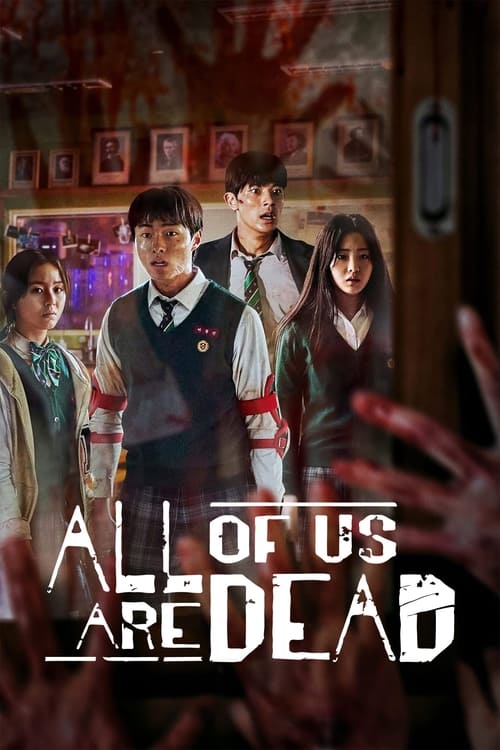
Image source: TMDB
Overview
All of Us Are Dead premiered on January 28, 2022, and immediately captured the attention of zombie enthusiasts and K-drama fans worldwide. This intense thriller series spans two seasons with a total of 12 episodes, delivering an impressive TMDB rating of 8.275/10. Combining action, adventure, drama, and science fiction elements, this Korean production stands out as a masterclass in tension-building and character development within the zombie apocalypse genre. The series brings fresh perspectives to a well-worn concept, focusing primarily on the perspective of high school students rather than established adults, creating a unique dynamic that resonates deeply with audiences of all ages.
Plot Summary
All of Us Are Dead presents a terrifying premise that unfolds with precision and emotional weight. A prestigious high school becomes the epicenter of a devastating zombie virus outbreak, transforming what should be an ordinary school day into a nightmare of survival and impossible choices. The narrative follows a diverse group of high school students who find themselves trapped within the school's walls as the infection spreads rapidly through the student body and staff. What makes this series particularly compelling is its exploration of not just physical survival, but the moral dilemmas and psychological trauma that accompany such a catastrophe. Students must navigate treacherous hallways, barricade themselves in classrooms, and make gut-wrenching decisions about who to save and who to leave behind. The infection doesn't simply turn people into mindless monsters—it strips away humanity in various ways, forcing characters to confront both external threats and their own inner darkness. The series masterfully balances action-packed sequences with intimate character moments, creating a narrative that feels both epic in scale and deeply personal. Without spoiling the intricate plot twists and character arcs, suffice it to say that the series takes unexpected turns that challenge viewer expectations and deliver genuine surprises throughout both seasons.
Cast and Characters
- Park Ji-hu as Nam On-jo: Nam On-jo serves as one of the central characters and emotional anchors of the series. She is portrayed as an intelligent, resilient high school student who demonstrates remarkable courage and compassion even in the darkest moments. Park Ji-hu delivers a nuanced performance that captures On-jo's journey from an ordinary student to a determined survivor. Her character represents hope and humanity, often serving as the moral compass for her group. She forms meaningful bonds with her classmates and displays leadership qualities that emerge naturally from her circumstances rather than through any formal authority.
- Yoon Chan-young as Lee Cheong-san: Lee Cheong-san is portrayed as a protective and thoughtful presence within the group. Yoon Chan-young brings depth to this character, showcasing his capacity for both strength and vulnerability. Cheong-san often finds himself in positions where he must make difficult sacrifices for his friends, and his character arc explores themes of responsibility and selflessness. His relationship dynamics with other characters provide crucial emotional weight to the narrative.
- Cho Yi-hyun as Choi Nam-ra: Choi Nam-ra represents complexity and mystery within the narrative. Cho Yi-hyun's performance is particularly striking as she portrays a character with secrets that gradually unfold throughout the series. Nam-ra initially appears as a reserved, academically focused student, but her character develops in unexpected and fascinating directions. She becomes integral to understanding the nature of the virus and the possibilities for survival that extend beyond conventional expectations.
- Lomon as Lee Su-hyeok: Lee Su-hyeok brings physicality and determination to the ensemble cast. As portrayed by Lomon, Su-hyeok is a strong-willed character who proves himself capable both in combat and in providing emotional support to those around him. His character demonstrates growth as the series progresses, moving from initial survival instincts to a broader concern for the collective welfare of his group.
- Yoo In-soo as Yoon Gwi-nam: Yoon Gwi-nam serves as a crucial antagonistic force, though not in the traditional villain sense. Yoo In-soo portrays a character whose moral compass becomes increasingly corrupted as the series progresses. Gwi-nam's descent provides commentary on how catastrophe can bring out the worst in human nature, transforming an ordinary student into a dangerous predator. His presence creates constant tension and unpredictability within the group dynamics.
- Lee You-mi as Lee Na-yeon: Lee Na-yeon is another significant character who undergoes dramatic transformation throughout the series. Lee You-mi's portrayal captures the character's journey from social positioning to survival desperation. Na-yeon's arc is particularly compelling as it explores themes of desperation, betrayal, and the corruption that fear can inspire in even seemingly ordinary people.
Why You Should Watch
Exceptional Character Development and Emotional Depth
What truly separates All of Us Are Dead from countless other zombie narratives is its commitment to meaningful character development. Rather than treating characters as mere cannon fodder for zombie sequences, the series invests significant time in developing rich, complex personalities with distinct backgrounds, motivations, and moral frameworks. Each character responds differently to the crisis, creating a diverse range of survival strategies and ethical positions. The audience watches these characters grow, regress, evolve, and sometimes completely transform under the extreme pressure of their circumstances. This character-focused approach means that when characters face danger, the stakes feel genuine and emotionally resonant rather than mechanically generated by plot requirements. The series explores how ordinary teenagers respond to extraordinary horror, examining whether they maintain their humanity or surrender to the animal instinct to survive at any cost.
Superior Direction and Visual Storytelling
The production quality of All of Us Are Dead is exceptional, with careful attention to cinematography, sound design, and visual composition. The series creates an atmosphere of constant dread and unpredictability through strategic use of camera angles, lighting, and editing. Action sequences are choreographed with precision and clarity, allowing viewers to understand the spatial dynamics and tactical decisions rather than relying on quick cuts and chaos. The school setting becomes a character itself, with different locations representing various challenges and symbolic meanings as the series progresses. The visual design effectively conveys the deterioration of the environment and the breakdown of social order through subtle environmental storytelling. Jump scares are employed judiciously rather than excessively, and when they occur, they feel earned rather than gratuitous. The technical execution demonstrates that Korean productions can match or exceed international standards in zombie and action content.
Meaningful Exploration of Survival Ethics and Human Nature
Beyond the surface-level thrills of zombie action, All of Us Are Dead engages with profound philosophical questions about human nature, morality, and survival. The series doesn't present simple binary choices between good and evil, but rather explores the gray areas where desperate people make understandable but morally questionable decisions. Characters must confront questions such as: How much of your humanity will you sacrifice to survive? Can you forgive others who betray you out of fear? Is it ethical to prioritize your group's survival over strangers? These questions drive the narrative forward and create tension that extends beyond physical threats. The series suggests that the true horror of an apocalypse isn't just the zombies, but the darkness that emerges within human communities when social structures collapse. Some of the most intense and emotionally devastating moments occur not during zombie encounters, but during interpersonal conflicts within the survivor group. This thematic depth elevates the series beyond typical genre entertainment into social commentary and psychological exploration.
Recommendation
All of Us Are Dead comes highly recommended for viewers who appreciate sophisticated genre storytelling that transcends typical zombie tropes. This series is perfect for fans of The Walking Dead, Squid Game, and Train to Busan who want Korean horror-drama content that offers both visceral action and emotional depth. The series appeals to a broad demographic: those seeking intense thriller content will find plenty of suspenseful sequences and zombie encounters, while viewers preferring character-driven narratives will appreciate the rich interpersonal dynamics and individual character arcs. Parents of teenagers may appreciate how the series handles themes relevant to adolescence—including identity formation, friendship, responsibility, and moral development—within the framework of an extreme survival scenario. The 12-episode structure across two seasons provides a satisfying narrative arc without excessive padding, making it binge-friendly while maintaining consistent quality throughout. Whether you're a longtime zombie genre enthusiast or someone new to apocalyptic narratives seeking quality content, All of Us Are Dead delivers on multiple levels and justifies its impressive 8.275/10 TMDB rating.
Trailer
For a preview of what All of Us Are Dead offers, watch the official trailer: Official All of Us Are Dead Trailer. The trailer effectively conveys the series' combination of high school setting, zombie horror, and ensemble cast dynamics without spoiling key plot points. It provides an excellent sense of the visual style, tone, and action sequences that define the viewing experience.
Final Thoughts
All of Us Are Dead represents a significant achievement in zombie and apocalyptic drama production, successfully elevating the genre through compelling characterization, thematic depth, and technical excellence. By centering the narrative on high school students rather than established adults, the series gains fresh perspective on survival scenarios while exploring how young people confront mortality, leadership, and moral complexity. The TMDB rating of 8.275/10 accurately reflects the series' quality, acknowledging its strengths while recognizing that the intense subject matter and some narrative choices may not appeal to all viewers. The two-season structure provides satisfying closure while leaving room for audiences to contemplate the larger implications of the events depicted. Whether you approach All of Us Are Dead as pure entertainment or as social commentary disguised within thrilling action sequences, the series delivers a memorable experience that will resonate long after the final credits roll. In an entertainment landscape saturated with zombie content, All of Us Are Dead stands as a prime example of how to revitalize a well-worn genre through intelligent writing, capable performances, and genuine emotional stakes.
Information sourced from TMDB (The Movie Database).