Boys Over Flowers (꽃보다 남자)
A Timeless Romance That Captivated the World
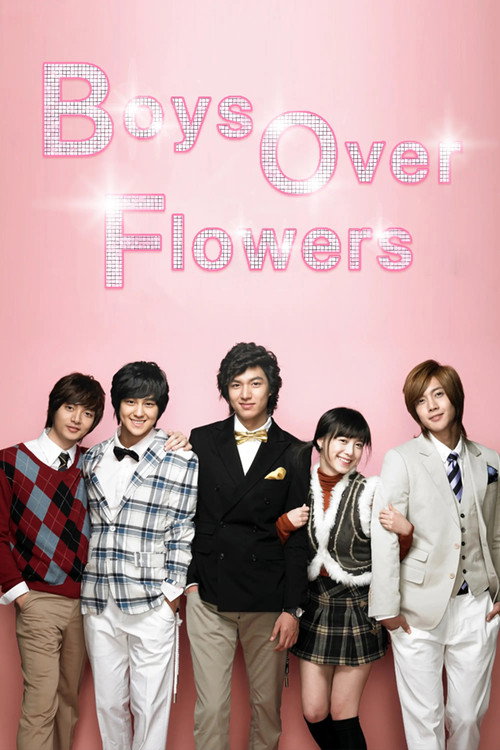
Image source: TMDB
Overview
Boys Over Flowers, known in Korean as 꽃보다 남자 (Kkotboda Namja), is a groundbreaking Korean television drama that premiered on January 5, 2009. This iconic series consists of 25 episodes across one complete season and has earned an impressive rating of 8.254/10 on TMDB, reflecting its widespread critical and audience acclaim. Categorized as both a comedy and drama, this series became a cultural phenomenon that transcended geographical boundaries, introducing millions of international viewers to Korean television entertainment at a pivotal moment in the global expansion of K-drama content.
Plot Summary
At the heart of Boys Over Flowers lies a compelling and timeless story of unlikely romance and personal transformation. The narrative follows Geum Jan-di, an unassuming and humble high school girl from a modest background who embodies determination, kindness, and genuine character despite her family's financial struggles. Jan-di's world collides dramatically with that of Gu Jun-pyo, a spoiled and arrogant member of the school's most powerful and elite clique known as F4 (Flower Four). What begins as confrontation and mutual disdain gradually evolves into something far more profound and meaningful. As Jan-di stands up to Jun-pyo's tyrannical behavior and refuses to be intimidated by his wealth and social status, she inadvertently challenges the very foundations of his privileged existence. Through their interactions, Jun-pyo begins to see beyond the superficial trappings of his gilded life, and a genuine emotional connection blossoms between these two seemingly incompatible souls. The series expertly weaves together elements of romance, comedy, and drama as it explores themes of class differences, personal growth, friendship, and the transformative power of love.
Cast and Characters
- Koo Hye-sun as Geum Jan-di: The female lead and emotional anchor of the series, Geum Jan-di is an extraordinary character portrayed with remarkable depth and authenticity by Koo Hye-sun. Jan-di is a high school student who works part-time jobs to support her struggling family, demonstrating exceptional work ethic and resilience. She is characterized by her unwavering moral compass, sharp wit, and ability to see through pretense and social facades. Despite coming from a lower socioeconomic background than her privileged peers, Jan-di possesses a quiet confidence and genuine warmth that draws people toward her. Her performance captures the essence of a young woman navigating a world vastly different from her own, while maintaining her integrity and compassion throughout her journey with Jun-pyo.
- Lee Min-ho as Gu Jun-pyo: The male lead and one of K-drama's most iconic characters, Gu Jun-pyo is portrayed with nuance and charisma by Lee Min-ho. Jun-pyo initially appears as a textbook spoiled rich kid—arrogant, dismissive, and accustomed to getting everything he desires without effort or consequence. However, Lee Min-ho's performance reveals the vulnerability and loneliness lurking beneath Jun-pyo's defensive exterior. As the series progresses, viewers witness a remarkable transformation as his interactions with Jan-di crack his carefully constructed emotional walls. Lee Min-ho successfully portrays both the humorous aspects of Jun-pyo's entitled behavior and the tender moments that reveal his capacity for genuine emotion and growth. His chemistry with Koo Hye-sun becomes one of the series' greatest strengths.
- Kim Hyun-joong as Yoon Ji-hoo: Yoon Ji-hoo is the sensitive and artistic member of the F4 group, played with considerable charm by Kim Hyun-joong. Ji-hoo represents the "gentle soul" archetype, possessing musical talents and an introspective nature that sets him apart from his more aggressive peers. Despite his wealth and privilege, Ji-hoo carries emotional burdens and childhood traumas that inform his reserved personality. His role in the narrative provides an important counterpoint to Jun-pyo's aggressive masculinity, showcasing different expressions of male vulnerability and emotional complexity. Kim Hyun-joong's portrayal captures both Ji-hoo's artistic sensibility and his underlying sadness with touching authenticity.
- Kim Bum as So Yi-jeong: So Yi-jeong is another crucial member of the F4 group, portrayed by Kim Bum with surprising depth and comedic timing. Yi-jeong presents himself as a carefree, flirtatious womanizer on the surface, but Kim Bum's performance gradually reveals the loneliness and insecurity beneath this playboy facade. Yi-jeong's character arc explores themes of identity and the masks people wear to protect themselves from emotional vulnerability. His interactions with Chu Ga-eul provide some of the series' most touching romantic moments, demonstrating that even characters initially presented as one-dimensional possess rich inner lives deserving of love and respect.
- Kim Joon as Song Woo-bin: Song Woo-bin rounds out the F4, portrayed with commanding presence by Kim Joon. Woo-bin is characterized as the cool, composed, and somewhat mysterious member of the group, whose background includes family connections to organized crime. Despite his intimidating exterior and powerful family connections, Woo-bin demonstrates loyalty, integrity, and a protective nature toward his friends. Kim Joon's performance conveys quiet strength and an underlying sense of responsibility, making Woo-bin an essential stabilizing force within the F4 dynamic and the broader narrative.
- Kim So-eun as Chu Ga-eul: Chu Ga-eul, portrayed by Kim So-eun, serves as Jan-di's loyal best friend and confidante. Ga-eul provides essential grounding for Jan-di's character, offering perspective, humor, and unconditional support throughout the series. While initially appearing as a supporting character, Ga-eul's own romantic journey with Yi-jeong becomes increasingly central to the narrative, providing a secondary romance that complements and enriches the main storyline. Kim So-eun brings warmth, humor, and emotional authenticity to the role, making Ga-eul far more than a mere supporting player in this ensemble drama.
Why You Should Watch
A Masterclass in Romantic Chemistry and Character Development
Boys Over Flowers stands as a masterwork of romantic storytelling, largely due to the exceptional chemistry between its two leads and their characters' beautifully realized transformation arcs. The series doesn't simply present a romance between two attractive leads; rather, it meticulously builds emotional investment through genuine character development and earned emotional moments. Jan-di and Jun-pyo's relationship evolves naturally from conflict and animosity to mutual respect, understanding, and ultimately, profound love. This progression feels earned rather than manufactured, which is a testament to both the writing and the performances. The series excels at balancing comedic moments with genuine emotional depth, creating scenes that are simultaneously hilarious and deeply moving. The romance that develops between these characters carries weight and significance because viewers have witnessed the genuine obstacles they've overcome and the authentic changes they've undergone as individuals. This is romance at its finest—not driven by external circumstances or plot convenience, but rooted in genuine human connection and mutual transformation.
Cultural Commentary on Class, Privilege, and Personal Worth
Beyond its surface appeal as a romantic comedy, Boys Over Flowers offers thoughtful social commentary on class divisions, economic inequality, and the notion that true worth transcends financial status or social position. The series uses its central romance as a vehicle to explore how economic privilege can create emotional poverty, while genuine character and integrity represent true wealth. Jan-di's working-class background becomes not a source of shame but a badge of honor, demonstrating her strength, resilience, and authentic character. Conversely, the portrayal of Jun-pyo's wealthy world reveals the isolation, emptiness, and emotional stunting that can result from an upbringing entirely removed from genuine human struggle. By bringing Jan-di into Jun-pyo's elite world, the series uses her as a moral compass and catalyst for his growth, suggesting that real happiness and fulfillment come not from material accumulation but from genuine human connection and personal integrity. The series makes these social commentary points without becoming preachy or heavy-handed, weaving them naturally into the entertaining narrative.
The Appeal of the F4 Dynamic and Ensemble Chemistry
While the Jan-di and Jun-pyo romance forms the series' central narrative, Boys Over Flowers benefits enormously from the compelling dynamics among all four members of the F4. The group chemistry is genuinely infectious, with each member bringing distinct personality traits and character arcs that enrich the overall story. The friendships within F4 are portrayed with surprising depth—these aren't simply interchangeable pretty boys, but individuals with distinct personalities, vulnerabilities, and emotional journeys. Ji-hoo's artistic sensitivity, Yi-jeong's hidden loneliness, Woo-bin's protective strength, and Jun-pyo's emotional growth create a dynamic ensemble that elevates the series beyond a simple two-person romance. The supporting romance between Yi-jeong and Ga-eul provides additional emotional investment, offering viewers multiple romantic storylines to enjoy while maintaining focus on the central plot. The ensemble nature of the series means there's something for every viewer—whether you're invested in the main romance, the bromance between the F4, the secondary romance, or simply the humor and charm of the group dynamics, the series delivers on all fronts.
Recommendation
Boys Over Flowers comes highly recommended for anyone with even a passing interest in romantic storytelling, character-driven narratives, or quality television drama. This series is particularly essential viewing for those seeking to understand the origins and appeal of K-drama globally. If you've never experienced Korean drama before, Boys Over Flowers serves as an excellent entry point that demonstrates why the medium has captivated international audiences. The series offers something for viewers of all ages and backgrounds—the romance will satisfy those seeking genuine emotional connection, the humor will appeal to comedy lovers, the social commentary will engage thoughtful viewers, and the ensemble cast dynamics will keep character enthusiasts thoroughly entertained. The 25-episode format provides substantial content to immerse yourself in while maintaining focused storytelling without the sprawl that sometimes affects longer series. With its impressive 8.254/10 rating on TMDB, Boys Over Flowers has proven its appeal across diverse audiences and critical perspectives. Whether you're a seasoned drama enthusiast or a curious newcomer, this series offers a richly rewarding viewing experience that has earned its place in the pantheon of beloved television dramas.
Trailer
To get a taste of what makes Boys Over Flowers so special, you can watch the official trailer here: Boys Over Flowers Official Trailer. The trailer provides excellent glimpses of the series' tone, the chemistry between leads, and the overall aesthetic and energy that made this drama such a beloved cultural touchstone.
Final Thoughts
Boys Over Flowers represents something genuinely special in television storytelling—a series that manages to be simultaneously entertaining and emotionally substantive, funny and touching, light and meaningful. Over its 25-episode run, the series creates a complete and satisfying narrative arc while developing characters so compelling and well-realized that viewers find themselves deeply invested in their journeys. The romance between Geum Jan-di and Gu Jun-pyo stands as one of television's great love stories, not because of superficial attractions or dramatic external conflicts, but because of the genuine emotional growth and authentic connection that develops between two individuals from vastly different worlds. The supporting cast and ensemble dynamics ensure that the series maintains broad appeal and emotional depth beyond the central romance. More than a decade after its original broadcast, Boys Over Flowers continues to attract new viewers and maintain its devoted fanbase, a testament to its enduring quality and emotional resonance. If you haven't yet experienced this modern classic, now is the perfect time to discover why Boys Over Flowers captured hearts around the world and helped establish Korean drama as a global entertainment phenomenon. This is essential viewing that will stay with you long after the final credits roll.
Information sourced from TMDB (The Movie Database).